Department of Pharmaceutical Technology and Biopharmacy
Welcome to the homepage of the department of Pharmaceutical Technology and Biopharmacy. Click on the button to find out more about our Department.
Welcome to the homepage of the department of Pharmaceutical Technology and Biopharmacy. Click on the button to find out more about our Department.
Research Groups
- Innovative dosage forms
- Inhalation and classic dosage forms
- Ex vivo models for organ diseases
- Aging research using organoid
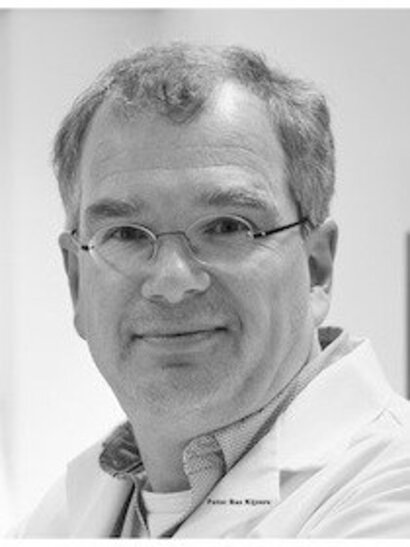
Prof. dr. Peter Olinga
Ex vivo model
The Organ Slice Lab is led by Prof. dr. Peter Olinga and explores precision-cut tissue slices (PCTS) as a highly relevant and translational model to elucidate the pathogenesis, treatment, and biomarker research of organ fibrosis.
We work from the postulate that current therapeutic gaps in fibrosis—the excessive production of extracellular matrix—stem from a failure to account for the complex in vivo architecture and cellular composition of human organs. To address this, we utilize viable tissue explants derived from healthy and diseased human liver, kidney, and intestine to investigate disease pathogenesis, evaluate potential treatments, and conduct biomarker research. This methodology enables precise reconstruction of disease mechanisms while contributing to the reduction of laboratory animal use in pharmaceutical research.
Core pillars:
- Mechanistic Pathogenesis: Decoding the fundamental pathways that drive the progression of organ-specific fibrosis.
- Translational Treatment: Evaluating the efficacy of novel compounds using viable human tissue to improve clinical success rates.
- Advanced Biomarker Research: Identifying and validating molecular markers of tissue damage and therapeutic recovery.
- Ethical Innovation: Prioritizing human-based models to minimize and replace the reliance on animal testing.
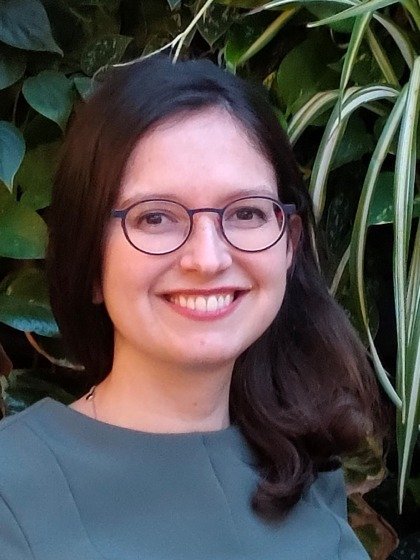
Dr. Marina Trombetta Lima
The Matrix Organoid Lab is led by Dr Marina Trombetta-Lima and explores microenvironment engineering as a new conceptual and technological framework to decode aging and different human diseases.
We work with the postulate that aging and metabolic disorders do not arise from isolated organ dysfunction, but from disrupted inter-organ communication embedded within evolving tissue microenvironments. To test this paradigm, we develop next-generation human organoid-based platforms that reconstruct endocrine, inflammatory, and metabolic signaling across organs. Our disease models focus on mechanistic reconstruction allowing precision intervention.
Core pillars:
Microenvironment engineering as a unifying disease principle
Human multi-organ organoid systems with controlled inter-organ signaling
Systems-level dissection of endocrine–immune–neural crosstalk
Translation toward stratified, mechanism-based therapeutic strategies
Latest News